

Outline of the Article
- Introduction to Future Cities
- Defining Future Cities
- Importance of Architecture in Future Cities
- Sustainable Urban Design
- Principles of Sustainable Urban Design
- Integrating Nature into Urban Spaces
- Smart Infrastructure
- Role of Technology in Future Cities
- Examples of Smart Infrastructure
- Mixed-Use Developments
- Advantages of Mixed-Use Developments
- Creating Vibrant Communities
- Mobility Solutions
- Innovative Transportation Systems
- Pedestrian-Friendly Design
- Resilient Architecture
- Designing for Climate Change
- Disaster-Resistant Buildings
- Affordable Housing
- Addressing Housing Challenges
- Innovative Housing Solutions
- Cultural Integration
- Preserving Cultural Identity
- Cultural Centers in Future Cities
- Economic Opportunities
- Stimulating Economic Growth
- Entrepreneurship in Future Cities
- Green Spaces and Recreation
- Importance of Green Spaces
- Incorporating Recreation Areas
- Health and Wellness
- Promoting Healthy Lifestyles
- Access to Healthcare
- Education and Innovation Hubs
- Building Knowledge-Based Economies
- Creating Innovation Districts
- Community Engagement
- Participatory Planning Processes
- Empowering Local Communities
- Governance and Policy
- Collaborative Governance Models
- Policies for Sustainable Development
- Conclusion: Shaping the Cities of Tomorrow
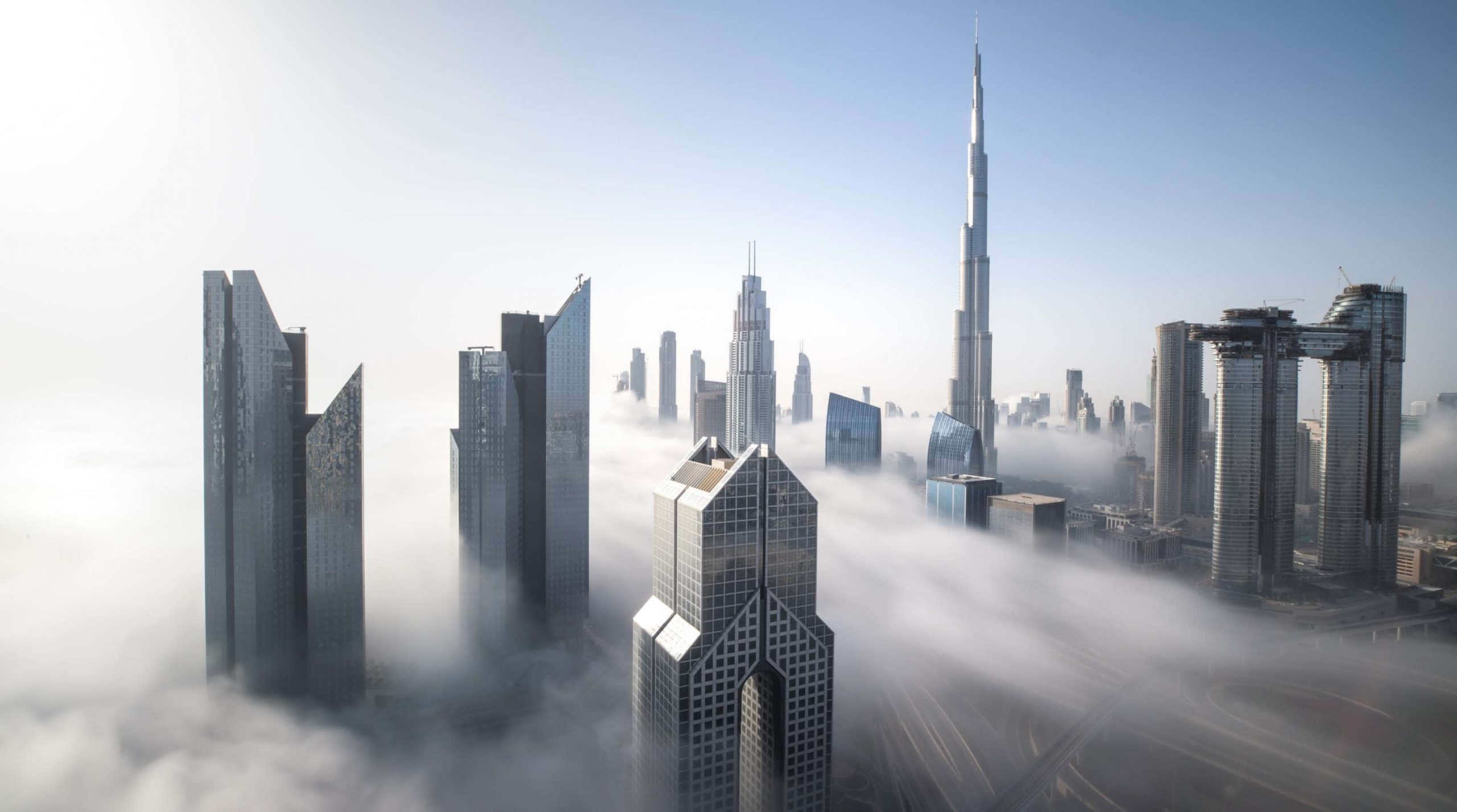
In recent years, the concept of future cities has garnered significant attention as urban populations continue to grow rapidly, placing pressure on existing infrastructure and resources. Building the architecture of future cities involves innovative approaches to urban planning and design that prioritize sustainability, technology integration, community well-being, and economic prosperity. This article explores the essential elements of constructing the cities of tomorrow and the key considerations for architects, urban planners, and policymakers.
Introduction to Future Cities
Future cities are envisioned as urban environments that embrace innovation, sustainability, and resilience to meet the needs of present and future generations. These cities prioritize efficient resource management, environmental conservation, and quality of life for residents. The architecture of future cities plays a pivotal role in shaping these urban landscapes to accommodate population growth, technological advancements, and environmental challenges.
Sustainable Urban Design
Sustainable urban design principles are fundamental in shaping the architecture of future cities. This approach focuses on minimizing environmental impact, reducing carbon emissions, and promoting energy efficiency. Integrating green spaces, renewable energy sources, and efficient public transportation systems are integral components of sustainable urban design.
Smart Infrastructure
Future cities leverage technology to develop smart infrastructure that enhances connectivity, efficiency, and quality of life. Smart grids, autonomous vehicles, and intelligent transportation systems are examples of how technology is integrated into urban infrastructure to improve mobility, reduce congestion, and enhance safety.
Mixed-Use Developments
Mixed-use developments are essential for creating vibrant, diverse, and inclusive communities within future cities. These developments combine residential, commercial, and recreational spaces to foster social interaction, reduce commuting distances, and promote walkability.
Mobility Solutions
Innovative mobility solutions are crucial for addressing transportation challenges in future cities. From bike-sharing programs to electric public transit systems, these solutions prioritize sustainability, accessibility, and convenience for residents.
Resilient Architecture
Resilient architecture focuses on designing buildings and infrastructure that can withstand environmental hazards and climate change impacts. By incorporating resilient design principles, future cities can mitigate risks, enhance disaster preparedness, and protect communities from natural disasters.
Affordable Housing
Addressing housing affordability is a significant challenge in future cities. Innovative housing solutions, such as micro-apartments, modular construction, and cooperative housing models, are essential for ensuring housing affordability and inclusivity.
Cultural Integration
Preserving cultural identity and heritage is vital in future cities. Cultural centers, museums, and public art installations celebrate diversity, promote cultural exchange, and enrich the social fabric of urban communities.
Economic Opportunities
Future cities offer abundant economic opportunities through innovation, entrepreneurship, and knowledge-based industries. By investing in education, research, and technology hubs, these cities can attract talent, stimulate economic growth, and foster innovation ecosystems.

Green Spaces and Recreation
Green spaces and recreational amenities are essential for enhancing the quality of life in future cities. Parks, gardens, and waterfront promenades provide opportunities for relaxation, exercise, and community gatherings amidst urban environments.
Health and Wellness
Promoting health and wellness is a priority in future cities. Access to healthcare facilities, active transportation options, and healthy food choices contribute to residents’ well-being and longevity.
Education and Innovation Hubs
Education and innovation hubs are catalysts for economic development and social progress in future cities. By fostering collaboration between academia, industry, and government, these hubs drive research, innovation, and talent development.
Community Engagement
Community engagement is integral to the planning and development of future cities. Participatory processes, citizen forums, and grassroots initiatives empower residents to contribute to decision-making and shape their urban environment.
Governance and Policy
Effective governance and supportive policies are essential for realizing the vision of future cities. Collaborative governance models, sustainable development strategies, and regulatory frameworks promote transparency, accountability, and equity in urban development.
Conclusion: Shaping the Cities of Tomorrow
Building the architecture of future cities requires a holistic approach that integrates sustainability, technology, social equity, and resilience. By embracing innovation and collaboration, cities can create inclusive, livable, and thriving urban environments for generations to come.
FAQs (Frequently Asked Questions)
What are future cities? Future cities are urban environments designed to meet the needs of present and future generations through innovation, sustainability, and resilience.
How does sustainable urban design contribute to future cities? Sustainable urban design minimizes environmental impact, promotes energy efficiency, and enhances the quality of life for residents in future cities.
What role does technology play in future cities? Technology is integrated into future cities to develop smart infrastructure, enhance connectivity, and improve efficiency in transportation, energy, and public services.
How can future cities address housing affordability? Future cities can address housing affordability through innovative solutions such as mixed-use developments, modular construction, and cooperative housing models.
Why is community engagement important in shaping future cities? Community engagement empowers residents to participate in decision-making processes, ensuring that future cities reflect the diverse needs and aspirations of their inhabitants.